eoweb
a browser-based client for the classic 2d mmorpg Endless Online
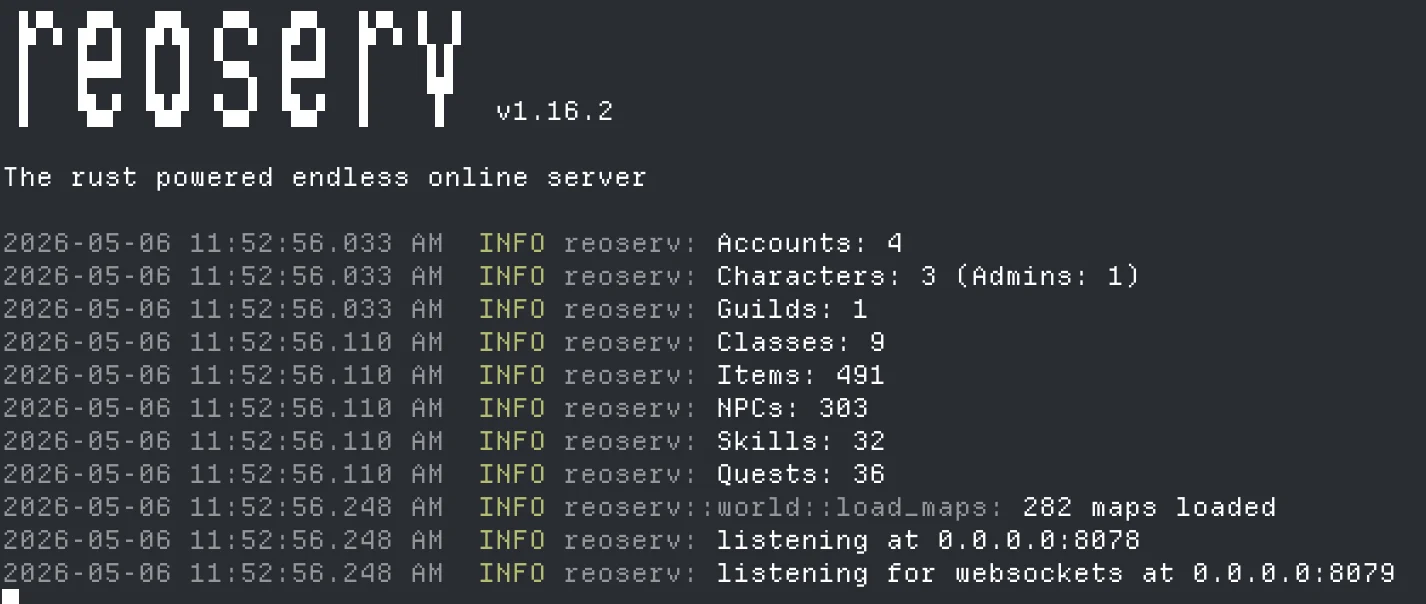
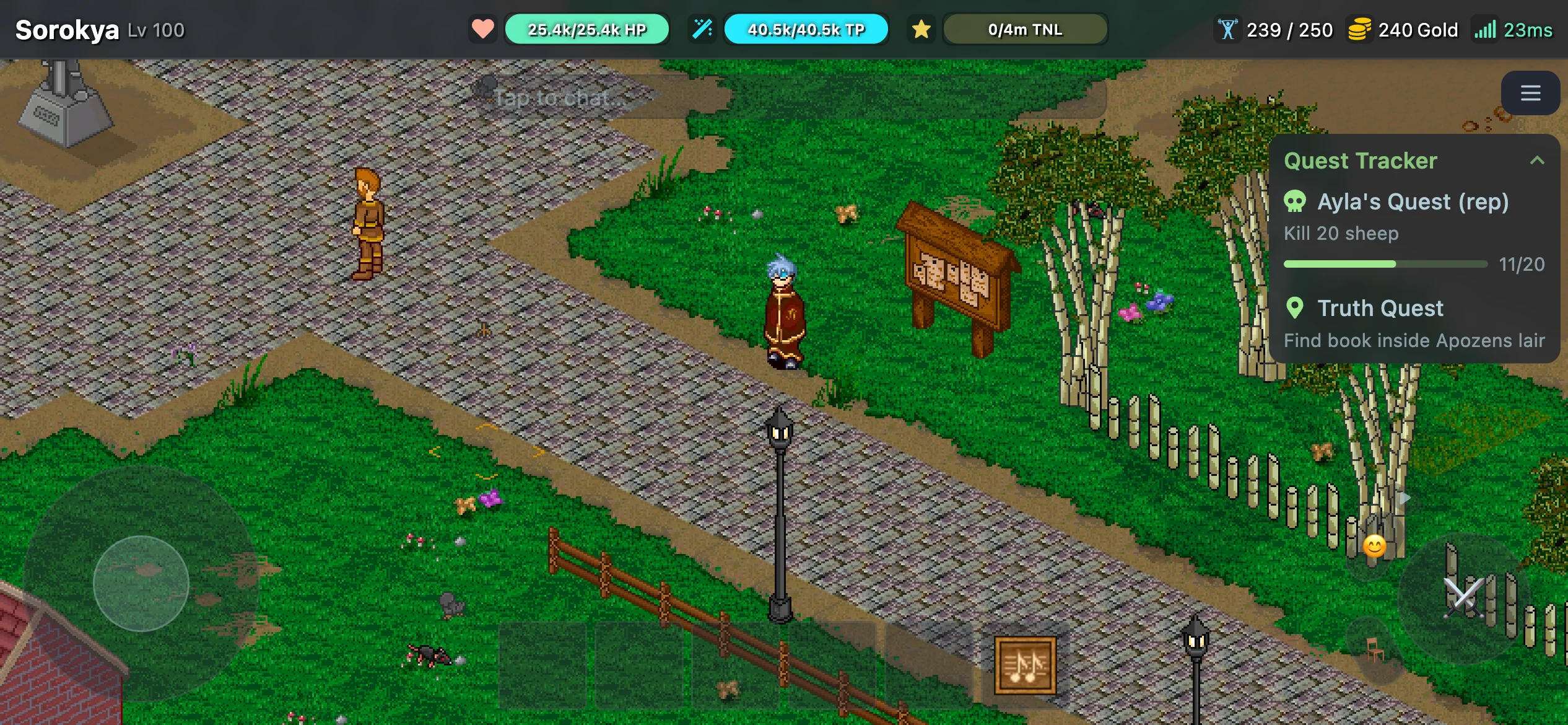
eoweb brings a legacy 2d mmorpg to the modern web by faithfully reimplementing the original 0.0.28 network protocol in typescript. it connects to classic eo servers via websocket, handling the full game lifecycle — from account creation and character selection to real-time multiplayer gameplay — all inside the browser with no plugins or downloads required.
the technical centerpiece is a two-layer rendering architecture: a high-performance pixi.js engine renders the isometric game world with interpolated animation at 120ms ticks, while a lightweight preact ui overlays the hud, inventory, chat, and draggable dialog windows. game assets are dynamically assembled at runtime through a custom atlas system powered by web workers, and all game data (maps, sprites, dialogs) is cached in indexeddb for instant reloads. a modular controller architecture with 40+ domain-specific modules and a centralized event bus keeps the codebase maintainable despite the complexity of a full mmorpg client.
built with vite, typescript, tailwind css, and daisyui, eoweb delivers a polished, themeable experience that rivals native clients — proving that even decades-old game protocols can live beautifully on the modern web.